

Meal planning on a budget is the process of organizing your meals, shopping, and cooking to maximize nutrition while keeping grocery costs as low as possible. Families who follow a structured plan can save $200–$400 monthly, which adds up to $2,400–$4,800 per year. That is real money that stays in your pocket. An individual can prep balanced meals for an entire week on just $30–$50 in groceries. The key is not cooking less or eating worse. It is planning smarter, reusing ingredients across meals, and shopping with a focused list.
What tools and ingredients do you need for meal planning on a budget?
The right setup makes budget meal planning far easier. You do not need a fully stocked kitchen. You need a small set of reusable tools and a reliable pantry base.
Essential kitchen tools
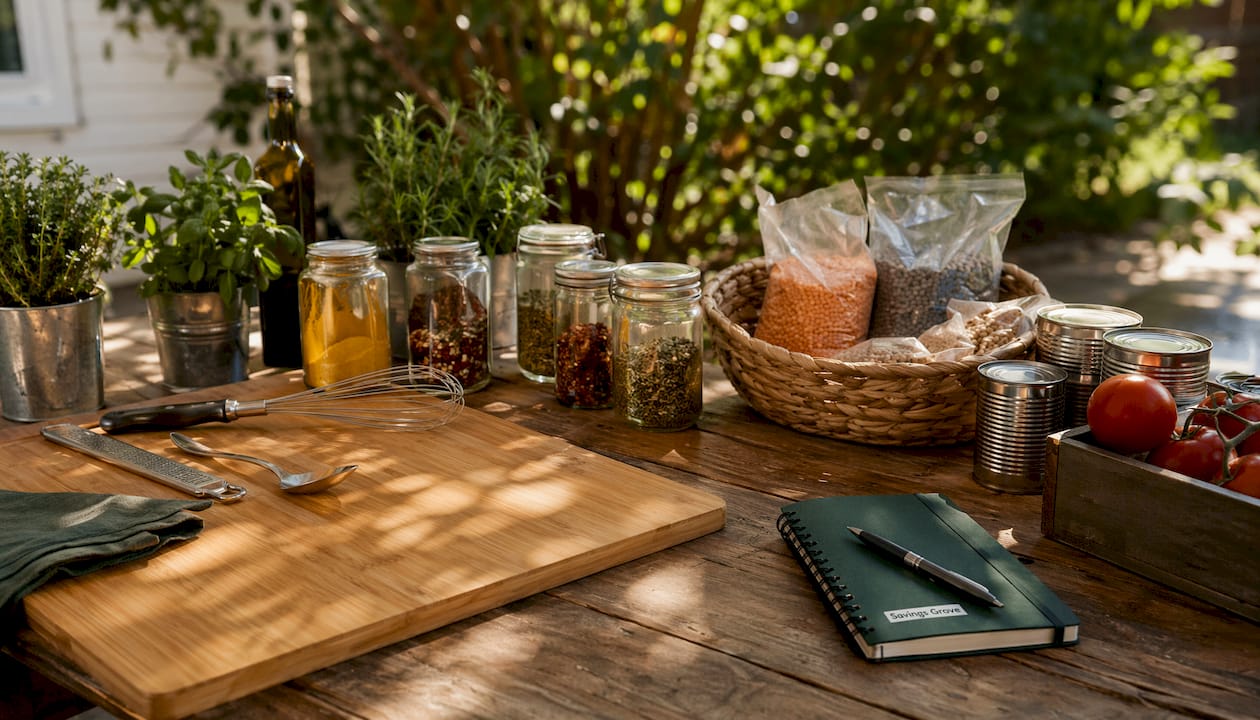
Glass food storage containers are the single best investment for budget meal prep. Glass containers preserve food better than plastic, resist staining, and pay for themselves within weeks by reducing spoilage. A large pot, a sheet pan, and a sharp knife cover nearly every budget recipe you will cook. A slow cooker or Instant Pot is optional but useful for batch cooking beans and soups with minimal effort.
Pantry staples that stretch every dollar
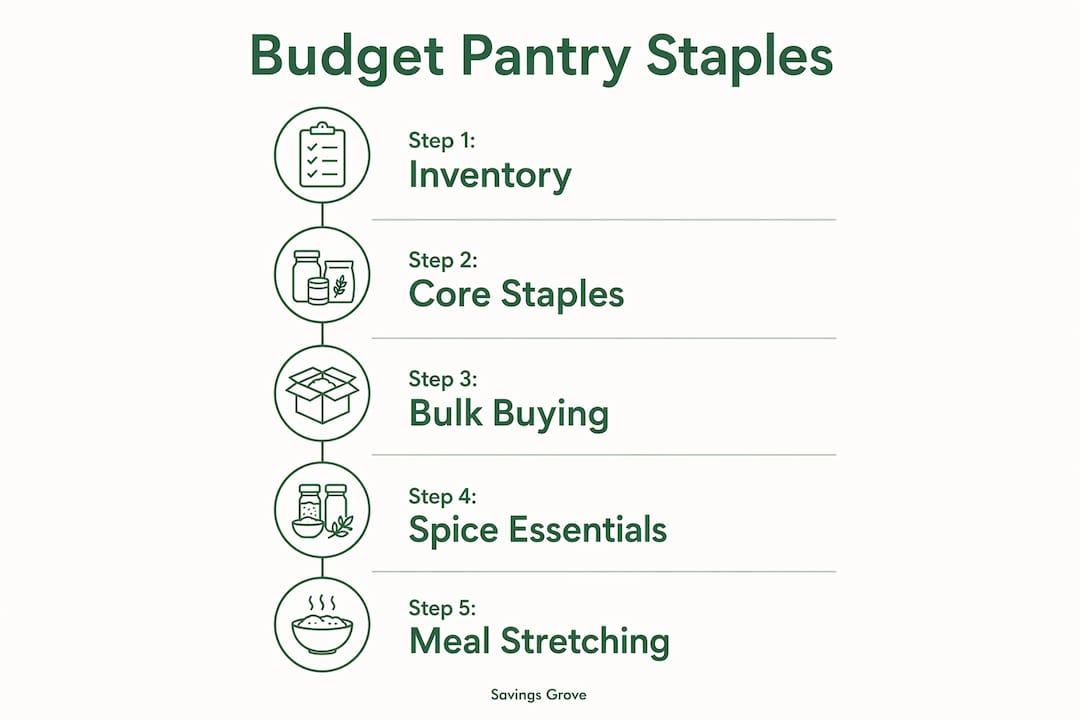
Your pantry is your financial safety net. Stock it with ingredients that work across multiple meals and cost very little per serving.
| Item | Avg. cost | Best uses |
|---|---|---|
| Dry rice (5 lb bag) | $4–$6 | Side dishes, grain bowls, fried rice |
| Rolled oats (42 oz) | $4–$5 | Overnight oats, breakfast, baked goods |
| Canned beans (per can) | $0.80–$1.20 | Soups, tacos, rice bowls, salads |
| Frozen vegetables (16 oz) | $1.50–$2.50 | Stir fries, soups, sheet pan meals |
| Chicken thighs (per lb) | $1.50–$2.50 | Roasting, soups, grain bowls |
| Lentils (1 lb dry) | $1.50–$2.00 | Soups, curries, stretch meals |
| Eggs (dozen) | $2.50–$4.00 | Breakfast, fried rice, frittatas |
Spices are the most underrated budget tool in the kitchen. A $2 jar of cumin, paprika, or garlic powder transforms plain rice and beans into a completely different meal. Buy spices in bulk bins when possible to cut costs further.
Pro Tip: Start with five core spices: garlic powder, cumin, paprika, Italian seasoning, and black pepper. These cover the flavor profiles of most affordable meal ideas across cuisines.
How do you create a weekly meal plan on a budget?
A weekly meal plan works best when you build it around what you already own, what is on sale, and which ingredients can pull double duty across multiple meals. Follow these steps to build your first plan.
-
Inventory your kitchen first. Check your fridge, freezer, and pantry before you write a single meal down. Use what you already have as the foundation. This prevents duplicate purchases and cuts your grocery bill immediately.
-
Check store sales and weekly flyers. Most grocery stores release weekly ads on Wednesday or Thursday. Build your protein choices around whatever is discounted that week. If chicken thighs are on sale, plan three meals that use them.
-
Plan proteins first, then build around them. Choose two or three proteins for the week. Then select grains and vegetables that pair with all of them. A batch of rice, for example, works with chicken, beans, and eggs across multiple meals.
-
Add one or two stretch meals. Planning stretch meals like lentil soup or black bean tacos at least once or twice per week lowers your cost per serving without cutting nutrition. Stretching proteins with beans and lentils keeps meals filling and high in protein at a fraction of the cost.
-
Schedule a leftover night. Leftover nights act as free meals and reduce how often you cook from scratch. Build one or two into your weekly plan intentionally. This also prevents food from going to waste at the back of the fridge.
-
Write your shopping list by store section. Organize your list into produce, proteins, dairy, grains, and canned goods. Shopping by section keeps you focused and reduces the time you spend wandering aisles, which cuts impulse purchases.
A few additional habits that reinforce your plan:
- Keep a running list of meals your household actually enjoys so planning takes less time each week.
- Plan one “emergency” quick meal like scrambled eggs and toast or canned soup for nights when cooking feels impossible.
- Stick to a set shopping day each week to build consistency and avoid extra trips.
For more ways to reduce your grocery bill alongside your plan, the grocery savings hacks guide at Savings Grove covers store-specific tactics worth adding to your routine.
Practical budget-friendly meal prep strategies for cooking and storing
Meal prep on a budget is about cooking once and eating multiple times. The goal is to reduce daily cooking time while keeping food fresh and varied throughout the week.
-
Batch cook your grains and proteins first. Batch cooking grains at the start of the week makes daily meal assembly fast. Cook a large pot of rice or lentils on Sunday, then use it across lunches and dinners all week. Do the same with a tray of roasted chicken thighs.
-
Use sheet pan roasting and one-pot meals. These two methods save time and reduce dishes. Toss vegetables and protein on a sheet pan with olive oil and spices, then roast at 400°F for 25–30 minutes. One-pot soups and chilis cook with almost no active effort and feed a family for two or three days.
-
Prep meals that work across multiple formats. Overnight oats take five minutes to assemble and serve as breakfast for four days straight. A large pot of chili works as a dinner, a lunch, and a topping for baked potatoes. Recipes that flex across meals stretch every dollar further.
-
Freeze portions you will not eat within three days. Soups, grains, cooked beans, and most proteins freeze well. Label containers with the date and contents. Frozen portions become your backup meals for busy weeks, which prevents expensive last-minute takeout orders.
-
Store food in glass containers. Quality reusable containers improve food longevity and reduce waste. Glass does not absorb odors or stain from tomato-based dishes, which means your containers stay usable for years.
Meal prep sessions typically take 1.5–2 hours once your system is established. That time investment saves you from cooking every single night and from making stress-driven food decisions that cost more money.
Pro Tip: Limit your weekly prep to 2–3 main meal types plus a breakfast and one snack. More variety sounds appealing but leads to waste and burnout, especially when you are just starting out.
What mistakes should you avoid when meal planning on a budget?
Most budget meal plans fail in the first two weeks. The reasons are predictable, and all of them are avoidable.
-
Planning too many different recipes. Overcomplicating meal prep is the top reason beginners quit. Five different dinners with five different ingredient lists means more spending, more prep, and more waste. Stick to two or three main dinners and rotate them.
-
Shopping without checking your kitchen first. Buying ingredients you already own is a silent budget killer. A quick five-minute inventory before every shopping trip eliminates duplicate purchases entirely.
-
Making multiple grocery trips per week. Every extra trip to the store costs money. Impulse purchases add up fast. Plan for one main shopping trip per week, with a small secondary trip only if truly necessary.
-
Ignoring freezer capacity. Your freezer is a free preservation tool. If you are not using it to store batch-cooked meals and proteins, you are leaving money on the table. Learn what freezes well and build that into your prep routine.
-
Skipping backup meals. Busy days happen. Without a quick backup option, you will order delivery. Keep two or three fast meals on hand at all times, such as canned soup, eggs, or frozen burritos.
Meal planning reduces food waste, which costs the average family $1,500 per year. A consistent weekly plan is one of the most direct ways to stop that loss. Every meal you plan is a meal you do not throw away.
Flexibility is not a weakness in a budget plan. It is a feature. Swap meals when life changes, use leftovers creatively, and give yourself permission to keep things simple. The plan that you actually follow beats the perfect plan you abandon by Wednesday.
Key Takeaways
Meal planning on a budget works because it combines intentional shopping, ingredient reuse, and batch cooking into a system that consistently spends less and wastes less.
| Point | Details |
|---|---|
| Start with what you own | Inventory your kitchen before every shopping trip to avoid duplicate purchases. |
| Plan stretch meals weekly | Adding one or two bean or lentil meals per week lowers cost per serving significantly. |
| Batch cook on one day | Cooking grains and proteins once per week makes daily meal assembly fast and stress-free. |
| Use glass containers | Glass preserves food longer and pays for itself quickly by reducing spoilage and waste. |
| Build in leftover nights | Scheduling free leftover meals reduces cooking frequency and maximizes every dollar spent. |
What I have learned from years of budget meal planning
By Mika L.
Most people think budget eating means boring eating. That belief is what holds them back more than money ever does.
When I started planning meals around a tight weekly budget, the first thing I noticed was not the savings. It was the calm. Knowing exactly what I was cooking and what I needed to buy removed a daily decision that had been draining me without my realizing it.
The insight that changed my approach was this: simplicity is not a compromise. It is the strategy. A $30 weekly budget does not work because you find cheap recipes. It works because you use versatile staples consistently and stop treating every week like a new cooking experiment. Rice, beans, eggs, and a rotating protein cover nearly every nutritional need you have.
The other thing I got wrong early on was containers. I used whatever I had, including mismatched plastic tubs that stained and warped. Switching to glass containers was a small investment that paid off fast. Food stayed fresh longer, I wasted less, and meal prep felt less chaotic.
My honest advice: plan for the week you are actually going to have, not the week you wish you had. If Tuesday is always hectic, put a leftover night there. If you know you will not cook on Friday, freeze something on Sunday. The meal planning savings are real, but they only show up when the plan fits your real life.
— Mika L.
How Savings Grove can help you save more on food and beyond
Savings Grove is built for people who want their money to work harder without spending hours researching how to make that happen.
The guides at Savings Grove cover everything from cutting household expenses quickly to finding the best credit card rewards for grocery spending. If you are already putting in the work to plan your meals and shop smart, pairing that habit with the right financial tools can compound your savings significantly. Savings Grove updates its resources monthly so the advice you read reflects current prices, current offers, and current strategies. Visit Savings Grove to find guides, tools, and tips that match where you are financially right now.
FAQ
How much can a family save with meal planning?
Structured meal planning saves families $200–$400 per month, which equals $2,400–$4,800 per year. The savings come from reduced food waste, fewer impulse purchases, and smarter use of ingredients.
What is a realistic weekly grocery budget for one person?
An individual can prep balanced meals for a full week on $30–$50 in groceries. Sticking to staples like rice, oats, canned beans, eggs, and frozen vegetables keeps costs at the lower end of that range.
How long does weekly meal prep actually take?
Once your system is set, meal prep sessions take 1.5–2 hours per week. That upfront time saves daily cooking effort and reduces stress-driven food spending throughout the week.
What are the best cheap meal planning tips for beginners?
Start with two or three main dinners, one breakfast, and one snack. Build your plan around proteins that are on sale, use stretch meals like beans and lentils at least once per week, and always check your pantry before you shop.
Does meal planning actually reduce food waste?
Yes. Food waste costs the average family $1,500 per year. A weekly meal plan reduces waste by ensuring every ingredient you buy has a planned use before it spoils.
0 comments
Leave a comment
Reviewed before they appear. Your email is not shown.